A large online lobby can make game selection feel harder than it should. If you are exploring betya bonus information or considering a no-deposit-style promotion, begin with the games rather than the advertising. The useful question is not which title looks most exciting, but which format, pace and level of complexity fit the way you want to play. A sensible shortlist can help you compare slots, table games, live dealers and instant titles without assuming that variety guarantees value or enjoyment.
Start with the kind of play you actually want
The broadest choice is between games driven by random-number software and games presented through a live dealer. Random-number games include slots, video poker, digital blackjack, roulette, baccarat, bingo, keno, scratch cards and crash-style titles. They are usually easy to open, quick to understand and available in several visual themes. Live dealer games add a streamed table, a human presenter and, in some cases, a chat function. That format may feel more social, but it can also move at a different pace and require more attention.

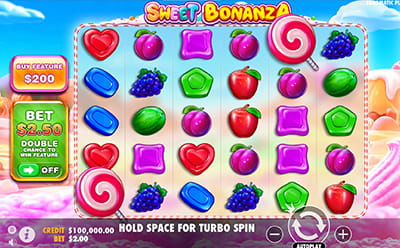
Slots are the most varied category, so sorting by theme alone is rarely enough. Look for the mechanical features that shape each round. Hold-and-win games may use bonus symbols and respins, cascading games remove winning symbols before new ones fall into place, and jackpot games may connect prizes to a wider network. Classic slots generally offer simpler reels and fewer features. None of these labels tells you whether a particular title will win, and a short demonstration session cannot establish its long-term return or volatility.
Table games suit a different kind of player. Roulette is centred on number and colour selections, baccarat has a relatively small set of betting choices, and blackjack involves decisions such as whether to hit or stand. Craps offers many possible wagers but can be more complicated to read. Video poker combines cards with a paytable and player decisions. Before choosing, open the rules and paytable, identify the available bets and decide whether you prefer simple repetition or more active decision-making.
Use the lobby as a filtering tool, not a sales pitch
A catalogue with thousands of titles is useful only when its navigation helps you narrow the field. Categories such as New, Top 50, Favorites and Recents can support browsing, while sections for video slots, classic slots, live dealer, blackjack, roulette, jackpots and table games provide a more meaningful first filter. Treat rankings such as “hot” or “best” as sorting labels rather than evidence that a game is more likely to pay or better suited to you.
After choosing a category, reduce the list by asking three practical questions. Do you want a slow or fast round cycle? Are you comfortable with several bonus features, or would you prefer a straightforward payline structure? Do you want to watch a dealer, make card decisions or simply select a stake and spin? These questions remove more unsuitable titles than a long search through studio names. Provider information can still be useful when you already recognize a developer’s presentation style, but it should not replace reading the individual game details.
Many random-number games in the described lobby offer demos and title-specific RTP information. A demo can help you understand symbols, paylines, bonus rounds and controls without risking money. RTP is a theoretical long-run statistic, not a prediction for a session, and it does not show how frequently wins will occur. Volatility is also important, although it may not always be labelled consistently. If those details are missing, treat that uncertainty as a reason to move on rather than filling the gap with assumptions.
Compare game formats by pace and decision-making
Game speed is an overlooked part of choosing a title. A standard slot may allow rapid rounds, whereas a live blackjack table includes dealing time, other players and scheduled breaks. Crash and instant games can appear especially fast because each round resolves quickly, but fast resolution can encourage repeated decisions without much reflection. Slower formats may be preferable if you want to consider each wager, read the rules or maintain a clear session boundary.
Decision-making also changes the feel of play. Digital roulette and baccarat generally involve selecting a wager before the result, while blackjack and video poker ask you to make choices during or after the deal. Live versions add presentation and table etiquette but do not turn a random outcome into a controllable one. A player who enjoys strategy may appreciate the decisions, yet those choices should not be confused with a guarantee of improved results.
For Canadian adults, the local context matters because gambling rules, legal age and operator availability can vary by province. A game catalogue does not establish that every title or promotion is available everywhere. Before committing funds, check the operator’s stated jurisdictional requirements and the terms attached to the specific game or offer. If a no-deposit promotion is mentioned, confirm whether it is actually available, whether it applies to selected games and whether winnings carry separate conditions.
Test a shortlist before choosing real-money play
A useful shortlist might contain one simple slot, one feature-heavy slot, one table game and one live option. Open each game’s information panel and record the basics: minimum stake, maximum stake if shown, RTP, available features, rules and any contribution or promotion restrictions. This small comparison is more informative than opening dozens of titles for a few seconds. It also makes it easier to spot when a game does not match your intended budget or attention span.
Use demos as orientation, not as a trial that proves a game is favourable. In a demo, notice whether the controls are clear, whether the paytable explains special symbols and whether the pace feels comfortable. You can also check whether the mobile layout remains readable, particularly for live tables and games with several buttons. Do not interpret a brief run of wins or losses as evidence that the title is “due,” improved or defective.
When moving from exploration to real-money play, decide the session conditions first. Set a spending limit, choose a time limit and avoid increasing the stake to recover an earlier loss. Keep promotional funds separate in your thinking, since wagering requirements may make them less flexible than cash. If the advertised offer has unclear eligibility, expiry, game contribution or maximum-stake rules, do not assume it applies to your chosen title; review the current terms or ask support.
Recognize the trade-offs behind a large library
Variety can be a genuine advantage when it lets you move from a simple game to a live table without opening another account. It can also create decision fatigue. A long list of studios, themes and mechanics may encourage constant switching, especially when new releases are placed prominently. More choice does not change the mathematical characteristics of a game, and a fresh title is not automatically more entertaining or more generous than an older one.
Promotional labels can add another layer of confusion. A title may be included in a bonus category while contributing differently from slots, or a free-spin offer may apply only to named games. Special formats such as jackpot, crash and instant games can have their own conditions. The absence of a broadly confirmed no-deposit offer should be treated carefully: do not infer that a general bonus page, free demo or promotional heading means you can play for cash without making a qualifying deposit.
The best final choice is therefore personal and limited. Select one or two games whose rules you understand, whose pace you can manage and whose terms are clear. Stop browsing once the shortlist meets those standards. Keep notes on what you enjoyed rather than chasing a result, and remember that no category, provider, RTP figure or previous outcome guarantees a future win. A focused selection supports clearer decisions than treating the whole lobby as one continuous opportunity.
Questions readers often ask about game discovery
Does a demo show whether a game is worth playing for money?
No. A demo can explain controls, symbols, paylines and bonus mechanics, but a short session cannot verify long-term RTP, volatility or likely results. Use it to decide whether the format is understandable and enjoyable. Read the game’s displayed information separately, and never treat demo outcomes as evidence of future real-money performance.
Are live dealer games more trustworthy than digital games?
Live dealer games provide a streamed table and a human presenter, which may make the experience feel more transparent or social. They still involve chance, and presentation does not guarantee better outcomes. Digital games can be easier to pause and compare. Choose between them based on pace, interaction and clarity of the published rules.
Can a no-deposit promotion be used on every game?
Not necessarily. Such promotions, when available, may be limited to named titles, selected game groups, fixed stakes, expiry periods or separate wagering rules. Availability can also depend on jurisdiction and account status. Read the current offer terms carefully and confirm eligibility with the operator rather than assuming that every lobby game qualifies.