
For Canadian adults comparing online casino sites, account security deserves attention before game selection or promotions. Lussurio is described as an offshore casino serving Canadian users, with account access available through the lussurio casino login page. Verification, password recovery and payment checks can affect whether an account remains usable, so it is sensible to understand the process before creating an account or submitting personal documents.
Why identity checks matter beyond registration
Identity verification is not merely an administrative step. It connects an account to a real person, helps prevent duplicate registrations and allows an operator to investigate unusual activity. The published information says registration requires accurate personal and contact details, including a legal name, residence information and an email address or phone number. Choosing a currency and accepting the applicable terms may also form part of the process.
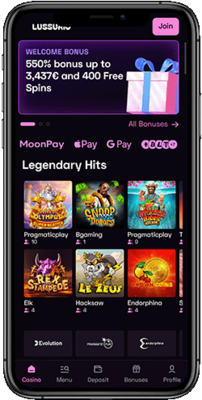
Know Your Customer checks are particularly relevant when a user requests a withdrawal. Possible documents include government-issued identity evidence, proof of residential address and evidence that the payment method belongs to the account holder. These requests can feel intrusive, but mismatched names, altered documents or incomplete address information may create additional questions. Submitting only clear, current documents through the operator’s stated process is safer than sending sensitive files through informal channels.
Verification also helps distinguish a genuine account holder from someone attempting to use several accounts. The account rules described for the platform restrict duplicate registrations, while changes to personal information or identity documents may require support review. That means users should avoid opening a second account to solve a login problem. A recovery request is normally the more appropriate route when access is lost or account details need correction.
Which documents should be ready before a withdrawal?
Preparing likely documents in advance can reduce avoidable delays, although no document list should be treated as guaranteed for every account. A government identity document should normally be valid, readable and consistent with the information entered during registration. If a document has expired, uses a different name or displays an old address, the review team may ask for an explanation or replacement evidence.
Proof of residence may include a recent document showing the account holder’s name and address. The exact accepted formats and age requirements should be checked in the operator’s stated instructions before submission. Payment ownership evidence can also be requested, especially where the deposit method belongs to a bank, card provider or e-wallet. Users should not obscure information unless the instructions specifically permit it; unnecessary editing can make a document appear incomplete.
Good document hygiene is part of account security. Keep copies in a private, encrypted location, use the official account or support channel identified by the operator, and avoid sending identity files to an unverified social-media contact. The Canadian Centre for Cyber Security provides broader guidance on protecting personal information online. That advice applies even when a user is dealing with a legitimate verification request.
How can a pending review be handled sensibly?
Published information describes verification and review windows of up to 72 hours, while noting that extra checks may extend the process. This is an indication rather than a promise. A review can take longer if documents are unclear, details conflict, payment ownership is uncertain or a game-provider investigation is underway. Public complaints also mention delayed verification and withdrawals paused during checks, so users should avoid relying on a specific payout timetable.
The most useful response to a pending review is organised communication. Check whether the account has requested a particular document, confirm that each upload was completed, and keep the relevant dates and reference numbers. Sending repeated, contradictory explanations through multiple channels may make the history harder to follow. If support asks for clarification, answer the precise question and retain copies of what was supplied.
Users should also distinguish between a document review and a restricted account. An account may be limited because KYC is incomplete, a duplicate-account concern has been raised, or a transaction requires further checking. In those situations, creating another profile or changing personal details without approval could worsen the issue. Contacting live chat or the listed support email and asking what condition remains outstanding is a more controlled approach.
What protects the account during everyday access?
Strong account security begins with credentials that are unique to the casino account. A long password that is not reused for email, banking or social media reduces the damage if another service suffers a breach. Users should also protect the email address or phone number connected to the account, because access to those channels may affect password recovery. A password manager can help create and store different credentials.
Login recovery details are not consistently documented in the available material. Existing users are described as accessing the account through a login option, while forgotten-password or inaccessible-account cases can be raised through the recovery flow or customer support. Because authentication options may vary, users should rely on the stated recovery process rather than assuming that a particular code, authenticator app or security question is available.
Be cautious with urgent messages requesting passwords, identity documents or payment details. Support staff should not need a user’s full password. Before responding, open the service through a known route instead of following an unexpected message link, and check that the communication matches the operator’s published support information. On shared devices, sign out after use, avoid saving credentials in a public browser and keep operating-system security updates current.
How does the offshore setting affect your decision?
The available description identifies the operator as an offshore casino under a Curaçao gaming licence and distinguishes it from an iGaming Ontario-registered operator. That difference is important when assessing account security. It may affect which regulator handles complaints, which consumer protections apply and how a user should interpret the operator’s terms. Canadian location alone does not establish licensing, availability or legal protection for a particular person.
Before opening an account, read the current terms governing verification, duplicate accounts, payment ownership, withdrawal reviews and personal-data handling. Check whether the stated requirements match your circumstances and whether the support route is clear. CAD is described as a supported currency, but currency support does not by itself confirm that every payment method, limit or promotional condition is available to every Canadian user.
A cautious decision also means considering the consequences of a restricted account. Do not deposit money that may be needed for ordinary expenses, and do not assume that a pending review will end within a preferred timeframe. Save transaction records and correspondence, understand the available account controls, and use deposit, wagering, loss, session or cooling-off limits where offered. Security is strongest when the user treats access, documents and funds as separate risks rather than focusing only on the password.
Account security questions Canadians commonly ask
Can verification be completed before requesting a withdrawal?
It may be possible, but the available information indicates that checks are particularly likely before a withdrawal. Requirements can vary by account, payment method and review circumstances. Users should follow the operator’s current instructions, ensure names and addresses match, and avoid assuming that an account is fully verified simply because registration was accepted.
What should someone do after losing access to an account?
Use the stated password-recovery flow if it is available. If recovery fails or the account is restricted, contact the listed support channel and explain the problem without opening another account. Be prepared to confirm identity or transaction details, but never disclose the complete password or send documents through an unverified contact.
Does a pending review mean funds have been permanently lost?
No. A pending review indicates that access to a withdrawal or account function may be delayed, not that funds have necessarily been forfeited. However, the outcome can depend on the terms, identity checks, payment ownership and any provider investigation. Keep records and request a clear explanation of the remaining condition from support.